
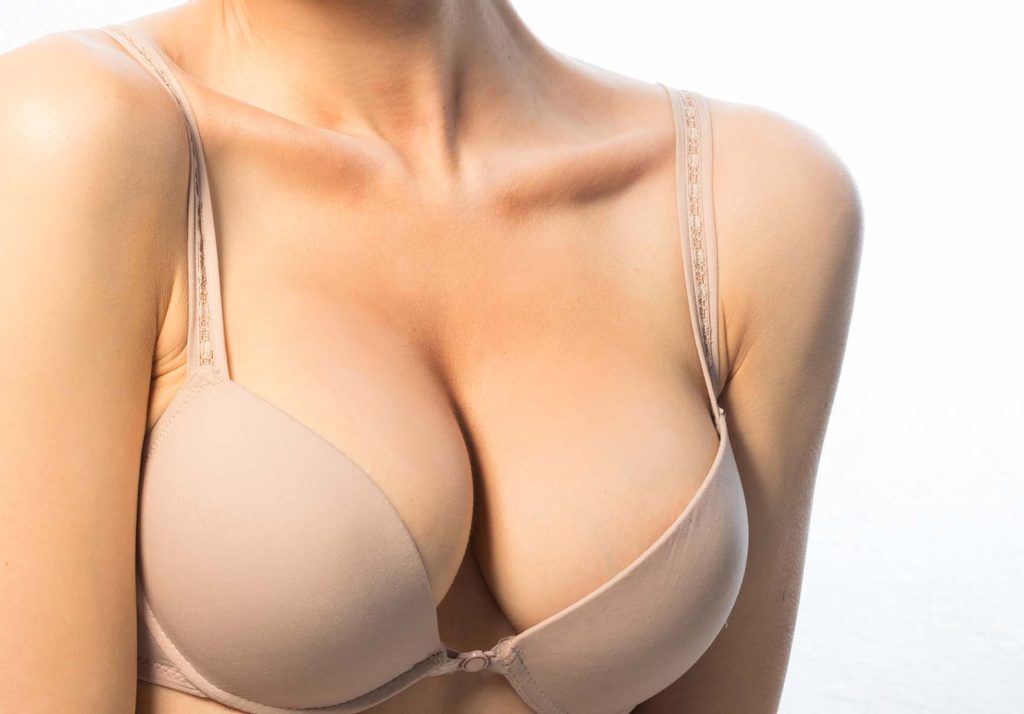
Breast reduction is a surgical procedure that removes excess skin, fat, and glandular tissue from a patient’s chest to achieve a more proportionate breast profile. For many patients, this is much more than an aesthetic surgery; it is a medical necessity to alleviate chronic pain and other physical impairments.
Dr. David L. Abramson is a board-certified plastic surgeon with more than 30 years of experience performing complex aesthetic and reconstructive procedures on patients throughout New Jersey, New York, and beyond. Recognized as a New Jersey Top Doctor in 2024 and 2025, Dr. Abramson is widely regarded as a leading surgeon in his field. He prioritizes patient safety alongside transformative results, and he advocates for his patients’ health and well-being while navigating the complexities of insurance coverage for medically necessary procedures.
To explore your options for breast reduction surgery and learn more about the insurance process, submit an online contact form or call one of our office locations to request a consultation with Dr. Abramson:
- Englewood: (201) 731-3134
- Franklin Lakes: (201) 731-3134
- Manhattan: (212) 774-1828
About Breast Reduction
Breast reduction, or reduction mammaplasty, is a highly effective surgical intervention designed to alleviate the physical and emotional burdens associated with macromastia (enlarged breasts). (1) For the vast majority of patients, the procedure is performed to resolve significant physiological issues. The emotional toll of macromastia is equally profound. Many patients experience unwanted attention, difficulty finding professional clothing that fits appropriately, and a sense of disconnection from their own bodies. By removing excess breast tissue, fat, and skin, Dr. Abramson can reshape the breasts to a size more proportionate to the patient’s body, effectively shifting the center of gravity and relieving the constant strain on the musculoskeletal system.
The Physiological “Why:” More Than an Aesthetic Change
When a patient suffers from disproportionately large breasts, the weight creates a constant downward pull on the upper body. This mechanical strain results in a cascade of physiological issues that often go untreated for years. (2) Breast reduction is a functional reconstruction that addresses the following:
- Musculoskeletal Alignment: The most immediate benefit is the realignment of the spine. By removing excess tissue from the chest, Dr. Abramson shifts the patient’s center of gravity backward, correcting overly forward leaning posture that causes chronic tension in the trapezius and cervical muscles.
- Respiratory Relief: Significant breast weight can actually compress the chest wall, making deep breathing difficult. Patients often report an immediate “lightness” and improved lung capacity following the removal of heavy glandular tissue.
- Dermatological Health: Chronic skin-on-skin contact in the inframammary fold leads to persistent moisture and friction. This often manifests as intertrigo, fungal infections, or painful rashes that are resistant to topical treatments.
- Nerve Decompression: Deep shoulder grooving from bra straps can compress the brachial plexus, causing numbness or tingling in the arms and hands, a condition known as paresthesia.
The Science of Qualification: Understanding the Schnur Sliding Scale
The Schnur Sliding Scale is a critical tool used by most insurance providers in New Jersey and throughout the country to determine whether a breast reduction is “medically necessary” or purely “cosmetic.” (3) Developed by Dr. Paul Schnur, this scale calculates the minimum amount of tissue that must be removed from each breast based on the patient’s total Body Surface Area (BSA). BSA is calculated through a formula that considers height and weight. If the amount of tissue to be removed falls above the 22nd percentile on the Schnur Scale, insurance providers generally deem the procedure medically necessary. Dr. Abramson meticulously calculates these figures during your personal consultation to ensure that your case is presented with scientific evidence to your insurance provider.
When Insurance Covers Breast Reduction
In New Jersey, meeting the Schnur Scale requirement is often just one piece of a much larger puzzle. Insurance carriers also require evidence of “failed conservative management.” This means that you must demonstrate that you have attempted to resolve your pain through non-surgical means without success. Documentation from other healthcare professionals, such as primary care physicians and physical therapists, is essential. Ideally, this documentation should span at least 3 to 6 months and specifically mention that, despite treatment, your symptoms persist due to breast weight. Documentation should cover:
- Chronic pain in the back, neck, or shoulders that persists despite at least 3-6 months of documented conservative care (e.g., physical therapy, chiropractic sessions).
- Shoulder grooving or bra-strap indentations caused by the weight of the breasts.
- Intertrigo: recurrent skin rashes, infections, or irritation in the inframammary fold that have been treated with prescription creams or powders.
- Paresthesia (numbness or tingling) in the hands or arms due to nerve compression from breast weight.
- The anticipated removal of a specific minimum volume of tissue per breast, as dictated by the Schnur Scale.
The Insurance Process for Breast Reduction
The path to approval is a structured process that requires precision and advocacy. Dr. Abramson’s dedicated insurance coordinators work tirelessly to build a compelling case for every patient:
- Consultation: Dr. Abramson performs a physical exam, takes measurements, and documents your symptoms and medical history.
- Pre-Authorization: Our office submits a detailed letter of medical necessity with clinical photos, and any required documentation from you, to your insurance carrier.
- Initial Decision: Your carrier reviews the data against their internal policies. Approval can take between 2 weeks to 30 business days.
- Peer-to-Peer Review: If the initial request is denied, Dr. Abramson can schedule a “peer-to-peer” review, speaking directly with the insurance company’s medical director to advocate for your coverage.
- Appeals Process: If necessary, we assist with formal appeals, providing additional clinical evidence to support your case. This may include letters from specialists or further documentation of physical impairment.
Cost of Breast Reduction in New Jersey
Even with insurance approval, patients should be prepared for out-of-pocket expenses. Your final cost will depend on your specific plan’s deductible (the amount you pay out of pocket before insurance assumes responsibility for payments) and co-insurance or co-pays. In New Jersey, breast reduction costs can vary based on the complexity of the case and the anesthesia and facility fees. A staff member will contact you to schedule your surgical date, as soon as insurance authorization has been obtained for Dr. Abramson to perform your breast reduction. Your insurance company can always provide you with the details of your specific plan coverage and what (if any) financial responsibility you might have.
To learn more about breast reduction and request a consultation with Dr. Abramson, contact our practice online or call us directly:
- Englewood: (201) 731-3134
- Franklin Lakes: (201) 731-3134
- Manhattan: (212) 774-1828
FAQ
Is a breast lift covered by insurance?
A breast lift is considered a cosmetic procedure and therefore not covered. However, a breast reduction inherently involves Dr. Abramson lifting the remaining breast tissue to a more youthful elevation. If the reduction is medically necessary, the associated “lift” is part of the reconstructive procedure.
What if my insurance claim is denied?
Denials are common but not final. We can pursue an appeal, a peer-to-peer review, or provide more documentation of failed conservative measures to help strengthen your case, when that is an appropriate option.
Does my BMI matter for coverage?
Some carriers have BMI requirements. Additionally, because the Schnur Scale is based on BSA (which includes weight), your weight directly impacts the amount of tissue that must be removed in order to qualify for coverage.
Can I choose my new cup size?
Dr. Abramson will aim for your desired aesthetic but keep in mind that insurance-approved procedures must remove a minimum amount of tissue, which often dictates the final size. You will be able to discuss this in detail during your consultation with Dr. Abramson.
Does insurance cover the facility and anesthesia fees?
If surgery is pre-authorized, these costs are typically covered, subject to your plan’s deductible and co-insurance.
What if I have insurance outside of New Jersey?
We work with a wide range of national insurance plans. Our team is adept at navigating out-of-network advocacy and pre-authorization procedures. Please contact our office to discuss your specific provider.
What are the specific “failed conservative management” requirements?
Carriers may require documentation of at least 3-6 months of physical therapy, chiropractic care, or dermatologic treatments for rashes that failed to resolve the physical pain.
Does insurance cover complications?
If the initial procedure is pre-authorized as medically necessary, medically required follow-up care is typically covered under the same plan.
References
- Perdikis G, Dillingham C, Boukovalas S, Ogunleye AA, Casambre F, Dal Cin A, Davidson C, Davies CC, Donnelly KC, Fischer JP, Johnson DJ, Labow BI, Maasarani S, Mullen K, Reiland J, Rohde C, Slezak S, Taylor A, Visvabharathy V, Yoon-Schwartz D. American Society of Plastic Surgeons Evidence-Based Clinical Practice Guideline Revision: Reduction Mammaplasty. Plast Reconstr Surg. 2022 Mar 1;149(3):392e-409e. https://pubmed.ncbi.nlm.nih.gov/35006204/
- Pocock KS, Laikhter E, Hardy BW, Holtzman-Hayes N, Strauss LD, Pavlovic JM, David LR, Katz AJ, Kumar S, Pestana I, Calder B, Nye BL, Duet M, Wells RE. Enlarged Breast Size (Macromastia) and Associated Neurologic Risks: A Scoping Review. Neurology. 2024 Aug 13;103(3):e209660. https://pubmed.ncbi.nlm.nih.gov/39013127/
- Dvoracek LA, Gusenoff JA, J. Peter Rubin, Manders EK. Quick Calculation of Breast Resection Mass Using the Schnur Scale. Annals of Plastic Surgery. 2019;82(3):316-319. doi:https://pubmed.ncbi.nlm.nih.gov/30557179/