


Fat Transfer
Consultations offered at our three convenient locations in New Jersey, Bergen County and Englewood, NJ
A fat transfer is a minimally invasive procedure that uses your own fat to restore a more sculpted and youthful-looking appearance. (1) With a fat transfer, you achieve natural-looking and feeling enhancements, all without the use of implants or synthetic fillers.
Dr. David L. Abramson is one of New Jersey’s most celebrated board-certified plastic surgeons and has helped thousands of patients refine their appearance using fat transfer techniques. He brings years of deep knowledge and extensive experience to his practice; his exceptional results and dedication to patient care earned him recognition as a 2024 and 2025 New Jersey Top Doctor.
If you are ready to learn more about fat transfer, please schedule a consultation online or call the office closest to you:
- Englewood: (201) 731-3134
- Franklin Lakes: (201) 731-3134
- Manhattan: (212) 774-1828
Contents
- 1 About Fat Transfers
- 2 Benefits
- 3 Candidates
- 4 Personal Consultation
- 5 Preparation
- 6 Procedure
- 7 Recovery
- 8 Results
- 9 Cost of Fat Transfer in New Jersey and New York
- 10 FAQ
- 10.1 Where can a fat transfer harvest fat from?
- 10.2 What is recovery after a fat transfer like?
- 10.3 How long will the results of a fat transfer last?
- 10.4 Can I combine my fat transfer with another cosmetic procedure?
- 10.5 Am I a good candidate for a fat transfer?
- 10.6 When will I see my final fat transfer results?
- 10.7 Will all of the transferred fat survive?
- 10.8 Does a fat transfer leave scars?
- 11 References
About Fat Transfers
During a fat transfer, liposuction first harvests fat from areas with excess; this fat is then purified and readministered to the targeted areas for improved fullness or contour.
Many surgeons consider fat transfer the gold standard for a wide range of both aesthetic and reconstructive procedures due to the filler medium’s total biocompatibility, as well as the natural-looking and feeling results it can produce. (2) As a result, fat transfer offers a safe, natural, and highly versatile solution for restoring volume, enhancing contours, and rejuvenating multiple areas of the face and body. Some of the most popular fat transfer procedures include:
Benefits
There are several benefits of a fat transfer, including:
- More Youthful Appearance: A facial fat transfer can restore volume and soften signs of aging, such as creases, wrinkles, and fine lines.
- Redefined Proportions: Dr. Abramson can use a fat transfer to add volume to the breasts and buttocks, leading to a more defined and balanced silhouette.
- Dual Benefits: By using liposuction to remove fat from one area of the body before transferring it, the donor area is more contoured and toned.
- High Safety Profile: Using fat from your own body reduces the risk of allergic reactions and other complications.
- Lasting Results: After the fat establishes a blood supply, it remains in place indefinitely.
Candidates
Candidates for a fat transfer include most patients interested in a more natural alternative to synthetic fillers and implants for enhancing certain areas. To undergo an autologous fat transfer, patients must:
- Have sufficient donor fat
- Have realistic expectations
- Be in good overall health with no underlying conditions that could negatively impact the procedure
- Be willing to follow all preparation and aftercare instructions
Dr. Abramson will help you determine your candidacy during a personal consultation at his office.
Personal Consultation
During the consultation, Dr. Abramson will meet with you to determine the best course of action to help you achieve your aesthetic goals. He will discuss what a fat transfer is so that you can feel fully informed about your treatment options. He will also examine the targeted areas and ask about your medical history, current medication regimen, and any concerns you may have.
If it is determined that you are eligible for the procedure, Dr. Abramson will begin to create a customized treatment plan for you.
To schedule your consultation, please submit our online consultation form or call the office most convenient for you:
- Englewood: (201) 731-3134
- Franklin Lakes: (201) 731-3134
- Manhattan: (212) 774-1828
Preparation
After scheduling your procedure, Dr. Abramson will give you a set of pre-operative instructions to help you get ready for your fat transfer. By following these instructions, you can help ensure a safe procedure and smooth recovery. They can vary from patient to patient, but often include guidelines such as:
- Discontinue certain blood-thinning medications or supplements
- Avoid alcohol and nicotine use in the weeks leading up to your procedure
- Arrange for transportation home from your procedure
- Designate time away from responsibilities.
Procedure

After your skin is cleansed and you receive anesthesia for your comfort, Dr. Abramson begins the liposuction process to harvest fat. He will make small incisions in the predetermined donor area to inject a tumescent solution. This constricts the blood vessels, numbs the tissue, and swells the fat cells for easier removal. (3) He will then use a suction cannula to break up and remove the fat.
After processing and purifying the collected fat—isolating the healthiest, most viable cells—Dr. Abramson will carefully administer the fat to the targeted treatment areas in precise, layered injections.
Recovery
Dr. Abramson performs fat transfers as outpatient procedures, so you will likely be able to return home soon after a monitoring period. Your exact recovery timeline will depend on the extent of your procedure and the areas treated; Dr. Abramson’s detailed post-operative instructions will guide you through a smooth recovery. It is important to note that during this time, both the donor and recipient areas will be healing.
In the early stages of your recovery, you may experience some bruising and swelling in the treated areas. These effects are temporary and will gradually subside on their own within two to three weeks.
Most patients return to work and their daily routines after a week or two, depending on the physical demands of their jobs. However, it is important to continue refraining from any more physically demanding or high-impact activities until Dr. Abramson provides clearance.
Throughout your recovery, you will attend follow-up appointments during which Dr. Abramson will monitor your progress and answer any questions you may have.
Results
You will be able to notice improvements in the treated areas immediately after your procedure, but the final results of your fat transfer will become more distinct after any residual swelling dissipates. It is also normal and expected that the body will resorb some of the transferred fat. The fat that remains establishes its own blood supply and is integrated permanently as a natural part of your body.
Cost of Fat Transfer in New Jersey and New York
Dr. Abramson designs treatments around each patient’s unique anatomy and goals, meaning the cost of this procedure may vary. After your consultation, Dr. Abramson will provide a cost estimate. Dr. Abramson’s practice also offers payment plans to make treatments more accessible for patients who qualify.
To learn more about the cost of your fat transfer, please schedule a consultation online or call any of our offices directly.
- Englewood: (201) 731-3134
- Franklin Lakes: (201) 731-3134
- Manhattan: (212) 774-1828
FAQ
Where can a fat transfer harvest fat from?
Dr. Abramson typically harvests fat from areas such as the buttocks, abdomen, or the backs of the thighs, although essentially any area with excess fat can be a suitable donor site.
What is recovery after a fat transfer like?
Recovery after a fat transfer varies depending on the extent of your procedure and the areas treated. Most patients experience temporary swelling, bruising, and mild discomfort at both the donor and treatment sites. While some downtime is required, patients are typically able to resume light activities and desk work after a week or two. Dr. Abramson lets patients know when they can return to more strenuous activities.
How long will the results of a fat transfer last?
The results of a fat transfer are generally permanent, although your body will resorb some of the transferred fat initially. Once the remaining fat settles and establishes a blood supply, you will be able to enjoy the results of your procedure indefinitely. It is important to adhere to healthy lifestyle habits, as weight fluctuations may impact the appearance of the treated areas.
Can I combine my fat transfer with another cosmetic procedure?
Yes, you can combine your fat transfer with another procedure for more comprehensive and cohesive results. During your consultation, Dr. Abramson may suggest additional procedures based on your aesthetic goals.
Am I a good candidate for a fat transfer?
You may be a good candidate for a fat transfer if you have adequate excess fat to harvest and want natural-looking volume enhancement or contour refinement. During your consultation, Dr. Abramson evaluates your medical history, anatomy, and goals to determine whether this procedure is right for you.
When will I see my final fat transfer results?
You will notice an immediate improvement in volume after your procedure, but swelling can initially obscure the outcomes. As swelling subsides and the transferred fat stabilizes, your results will continue to refine over several weeks and months.
Will all of the transferred fat survive?
Not all transferred fat survives, as the body naturally absorbs a percentage. Dr. Abramson uses advanced techniques to maximize fat survival and long-term results.
Does a fat transfer leave scars?
Fat transfer requires only small incisions for liposuction and injection, which typically heal well and leave minimal, discreet scarring.
References
- Vasavada A, Raggio BS. Autologous Fat Grafting for Facial Rejuvenation. Nih.gov. Published July 31, 2023. https://www.ncbi.nlm.nih.gov/books/NBK557860/#article-21546.s4
- Costanzo D, Romeo A, Marena F. Autologous Fat Grafting in Plastic and Reconstructive Surgery: An Historical Perspective. Eplasty. 2022;22:e4. https://pmc.ncbi.nlm.nih.gov/articles/PMC9350545/
- Bartow MJ, Raggio BS. Liposuction. PubMed. Published 2022. https://www.ncbi.nlm.nih.gov/books/NBK563135/
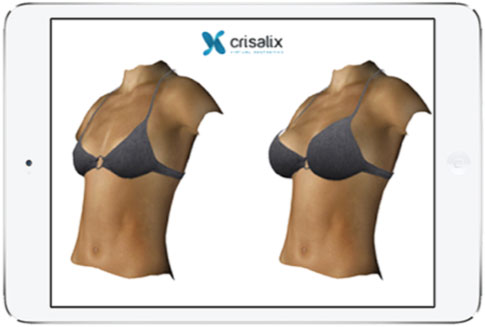
Want to see your new you before the procedure?
With Crisalix's 3D imaging technology you can see how you would look post-procedure if full 3D.
 Learn More